Menu


Facing a DWI or DUI charge in Gloucester County, New Jersey, can be overwhelming. A single arrest for driving under the influence of alcohol or drugs may result in serious consequences that affect your driving privileges, finances, and reputation. Whether the charge arises in Woodbury, Glassboro, Deptford, Washington Township, Monroe Township, or another local municipality, understanding how New Jersey law treats DWI/DUI offenses is critical. Although these charges are technically classified as traffic violations in New Jersey, the penalties can be significant and long-lasting.
Many people are surprised by how quickly a DWI/DUI case moves and how much is at stake early on, including deadlines, testing evidence, and license-related consequences. Taking action promptly can help you protect your rights and avoid preventable mistakes.
Under New Jersey law, a driver may be charged with DWI or DUI for operating a motor vehicle with a blood alcohol concentration (BAC) of 0.08 percent or higher. Drivers under 21 are subject to stricter standards, and commercial drivers face lower BAC limits. A driver can also be charged if impaired by drugs, including prescription medications, illegal substances, or certain over-the-counter medications that affect alertness.
New Jersey also enforces implied consent laws. If a police officer has probable cause to believe you are driving while intoxicated, you are required to submit to chemical testing. Refusal to do so can lead to separate penalties, including additional fines, license suspension, and ignition interlock requirements.
After an arrest, you will typically be issued a summons requiring you to appear in the appropriate municipal court. In Gloucester County, DWI/DUI cases are generally handled in the municipal court of the town where the arrest occurred. At your first appearance, you will be asked to enter a plea. If you plead not guilty, the case will move forward through pretrial conferences and, if necessary, trial.
During this time, your attorney can obtain and review evidence, including police reports, dashcam or body camera footage, Alcotest or chemical testing records, and officer certifications. Careful examination of this material is essential to determine whether the stop and arrest complied with New Jersey law and whether the state’s evidence can be challenged.
Penalties for a first DWI/DUI offense depend on your BAC level and other factors. A first offense may result in fines, court costs, license suspension, mandatory participation in the Intoxicated Driver Resource Center, and possible jail time. Installation of an ignition interlock device is often required during and after the period of license suspension.
In addition to court-imposed penalties, you may face annual insurance surcharges and increased premiums. These financial consequences can continue for several years. Second and third offenses carry progressively harsher penalties, including longer license suspensions, extended ignition interlock requirements, and significant jail exposure.
Refusal is treated as a separate offense in New Jersey. Even if the underlying DWI/DUI charge is contested, a refusal allegation can still trigger penalties, including license suspension, fines, and ignition interlock requirements. Refusal cases often turn on whether the stop was lawful, whether the officer had probable cause, and whether proper procedures and warnings were followed.
Because refusal penalties can be serious, it is important to address both the DWI/DUI and refusal issues together, rather than assuming one will automatically disappear if the other is reduced or dismissed.
Each case is different. A defense may focus on whether law enforcement had lawful grounds to stop your vehicle, whether field sobriety tests were administered properly, or whether chemical testing procedures complied with legal standards. Technical deficiencies in testing equipment, calibration records, observation periods, or documentation may affect the admissibility of certain evidence.
It is also important to understand that DWI/DUI cases can involve multiple types of proof at once, including officer observations, field testing, and chemical testing. An effective strategy often requires reviewing the full timeline and identifying where the state’s case is weakest.
Some drivers assume a DWI/DUI charge automatically means a conviction, but your options depend on the facts and the available evidence. In some situations, issues can be resolved through negotiations about charges and penalties, depending on what the municipal prosecutor is willing to consider and what weaknesses exist in the state’s proof. In other situations, a case may proceed to trial if key evidence is disputed.
Even when the case does not go to trial, preparation matters. Strong preparation can influence outcomes related to penalties, license consequences, and the overall impact on your record.
In addition to penalties imposed by the court, the New Jersey Motor Vehicle Commission may impose administrative consequences, including license suspension and ignition interlock requirements. These administrative actions operate separately from the court process and may involve different timelines.
Understanding both aspects is essential, as failure to address administrative requirements can prolong license suspension, complicate reinstatement, or create additional compliance issues after the court matter is resolved.
A DWI/DUI conviction can affect more than your driving record. Many employers conduct background checks, and positions requiring driving may be particularly impacted. Professional licenses and certain government clearances may also be affected. For individuals who rely on their vehicle for commuting, childcare, or daily responsibilities, a license suspension can create significant hardship.
This is also why early planning matters. Transportation needs, ignition interlock requirements, and court scheduling can all become disruptive if not handled strategically.
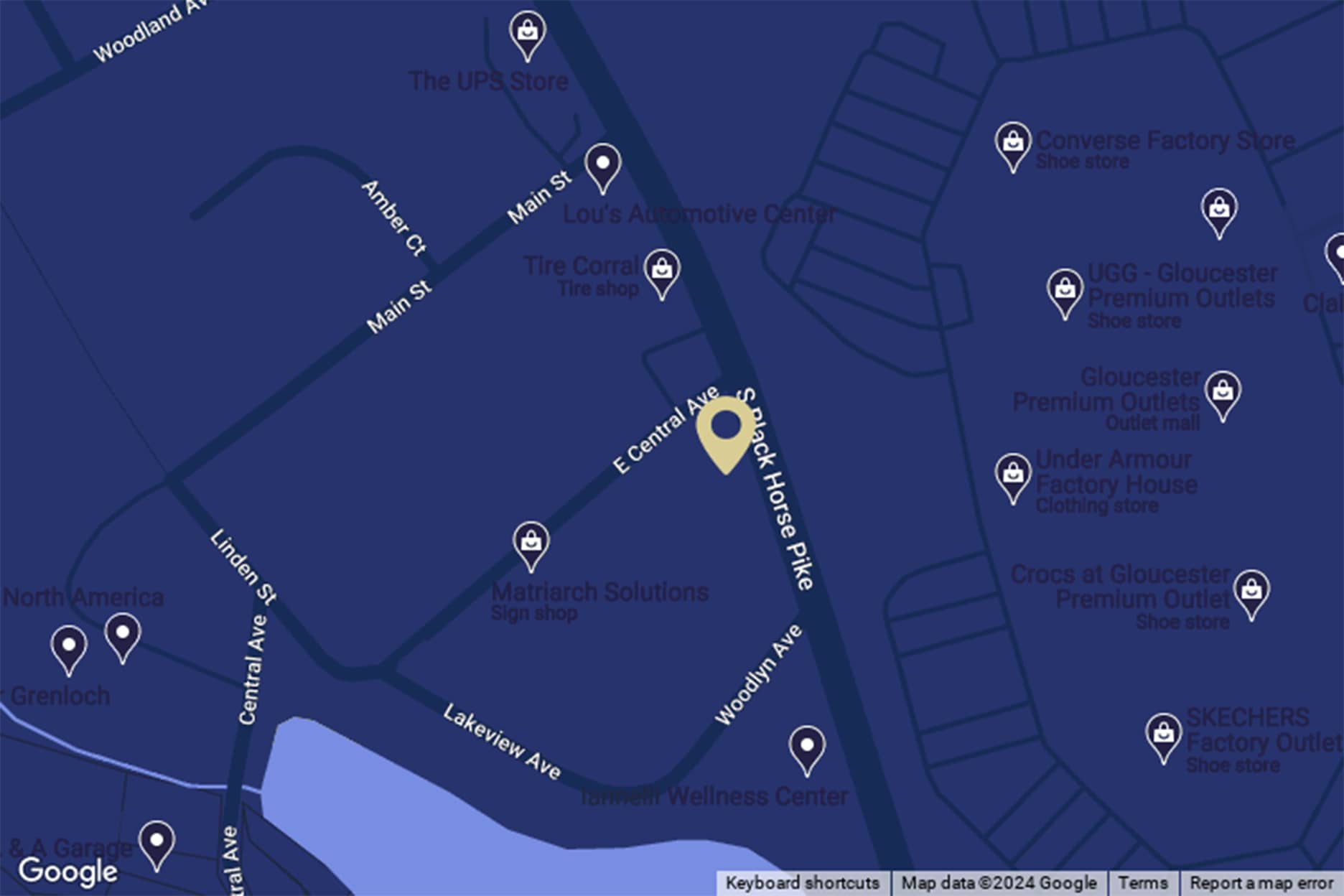
A DWI/DUI charge in Gloucester County can disrupt your life and create lasting consequences. The Gloucester County DWI/DUI lawyer at Iannelli Law can help you understand your rights, evaluate the evidence against you, and navigate the court and administrative processes under New Jersey law. Schedule a free initial consultation by messaging us online or by calling us today at 856-227-2434. Our office is in Blackwood, New Jersey, and we serve clients in the surrounding areas.
© 2026 Law Offices of John Iannelli
| View Our Disclaimer | Privacy Policy