Menu


Facing a DWI/DUI charge in Camden County, New Jersey, can be one of the most stressful legal challenges a person encounters. A drunk driving arrest affects your ability to drive, maintain employment, protect your family, and preserve your reputation. In New Jersey, DWI (driving while intoxicated) and DUI (driving under the influence) charges are serious offenses handled primarily in municipal court, and the consequences can follow you long after the case concludes. Penalties may include license suspension, fines, insurance surcharges, ignition interlock requirements, mandatory alcohol education programs, and even jail time. Understanding New Jersey law, the local Camden County court system, and your legal rights is critical to protecting your future.
New Jersey law permits officers to arrest drivers suspected of impairment by alcohol or drugs. The legal blood alcohol concentration (BAC) threshold is 0.08 percent for most adult drivers, 0.04 percent for commercial drivers, and effectively zero for drivers under 21. A stop often begins with alleged erratic driving, speeding, failure to maintain a lane, or another traffic violation. Officers may then conduct field sobriety testing and request chemical testing such as the Alcotest breathalyzer.
A charge is not a conviction. The state must prove beyond a reasonable doubt that the driver was operating a vehicle while intoxicated. Questions may arise about whether the officer had probable cause to initiate the stop, whether field sobriety tests were properly administered, and whether breath testing procedures complied with strict legal standards. These issues are frequently examined in municipal courts throughout Camden County, including courts serving communities such as Camden City, Cherry Hill, Gloucester Township, and Pennsauken.
Penalties depend on BAC level, prior convictions, and specific circumstances of the arrest. For a first offense with a BAC between 0.08 percent and 0.10 percent, penalties may include fines, court costs, participation in the Intoxicated Driver Resource Center, and installation of an ignition interlock device. Jail time of up to 30 days is possible, although not mandatory in every case.
If the BAC is 0.10 percent or higher, penalties increase. Higher readings may result in longer interlock requirements and additional fines. A second offense brings significantly harsher consequences, including mandatory jail time, longer license suspension periods, and extended ignition interlock installation. A third offense carries even more severe penalties, including lengthy suspension and substantial fines.
In addition to court-imposed penalties, the New Jersey Motor Vehicle Commission may impose administrative consequences, including license forfeiture and insurance surcharges that can last for years. These financial and practical burdens often affect individuals long after fines are paid.
New Jersey’s implied consent law requires drivers to submit to chemical testing after a lawful arrest for suspected intoxication. Refusal to provide a breath sample triggers automatic penalties, separate from the underlying DWI charge. These penalties can include fines, mandatory ignition interlock installation, license suspension, and required participation in alcohol education programs.
Refusal cases often focus on whether law enforcement properly informed the driver of the consequences and followed required procedures. Even in refusal cases, the state must prove compliance with legal standards.
Yes. A defense strategy may involve challenging the legality of the traffic stop, the administration of field sobriety tests, or the accuracy of chemical testing equipment. The Alcotest machine must be properly calibrated and operated by a certified individual. Maintenance records, operator qualifications, and adherence to testing protocols can all become important factors.
If law enforcement violated constitutional protections, a defense attorney may file motions to suppress evidence. When key evidence is excluded, the prosecution’s case may be significantly weakened. Each case is fact-specific, and a detailed review of police reports, video footage, and test documentation is essential.
Most DWI cases begin and are resolved in municipal court. At the initial appearance, the defendant is advised of the charges and potential penalties. The court may schedule additional hearings, motion arguments, or a trial date.
Negotiations between defense counsel and the municipal prosecutor may occur throughout the process. Although New Jersey does not permit plea bargaining to lesser offenses in traditional DWI cases in the same way as some states, negotiations may still address sentencing factors or related charges. If the case proceeds to trial, the judge evaluates evidence and testimony before rendering a decision.
Understanding local court procedures and expectations in Camden County is an important part of preparing a thorough defense.
Repeat DWI convictions significantly increase penalties. A second offense may include mandatory jail time, longer license suspension, and more extensive ignition interlock requirements. A third offense can result in extended suspension periods and substantial financial penalties.
Even if prior convictions occurred years ago, they can influence how prosecutors and judges evaluate a current charge. Prior history may limit sentencing flexibility and increase exposure to incarceration.
Driving privileges during a pending case depend on specific circumstances and the stage of proceedings. In many situations, installation of an ignition interlock device is required before driving privileges are restored. New Jersey does not broadly offer hardship licenses. Compliance with Motor Vehicle Commission requirements is essential to avoid additional violations or penalties.
Because license issues can affect employment and family responsibilities, addressing these concerns early in the case is important.
The timeline varies depending on court scheduling, the complexity of evidence, and whether motions are filed. Some cases resolve within a few months, whereas others take longer if suppression hearings or trials are necessary. Municipal court calendars in Camden County can affect scheduling, and cases involving contested breath testing procedures may require additional time.
Remaining organized, attending all required court dates, and communicating with counsel help ensure the case proceeds efficiently.
Remain calm and exercise your right to remain silent. Do not discuss details of the arrest beyond providing basic identifying information. Avoid posting about the incident on social media. Gather any documentation you receive and contact an attorney promptly.
Early legal involvement allows for timely review of evidence, preservation of records, and strategic planning. The sooner a defense strategy begins, the more opportunities there may be to address weaknesses in the prosecution’s case.
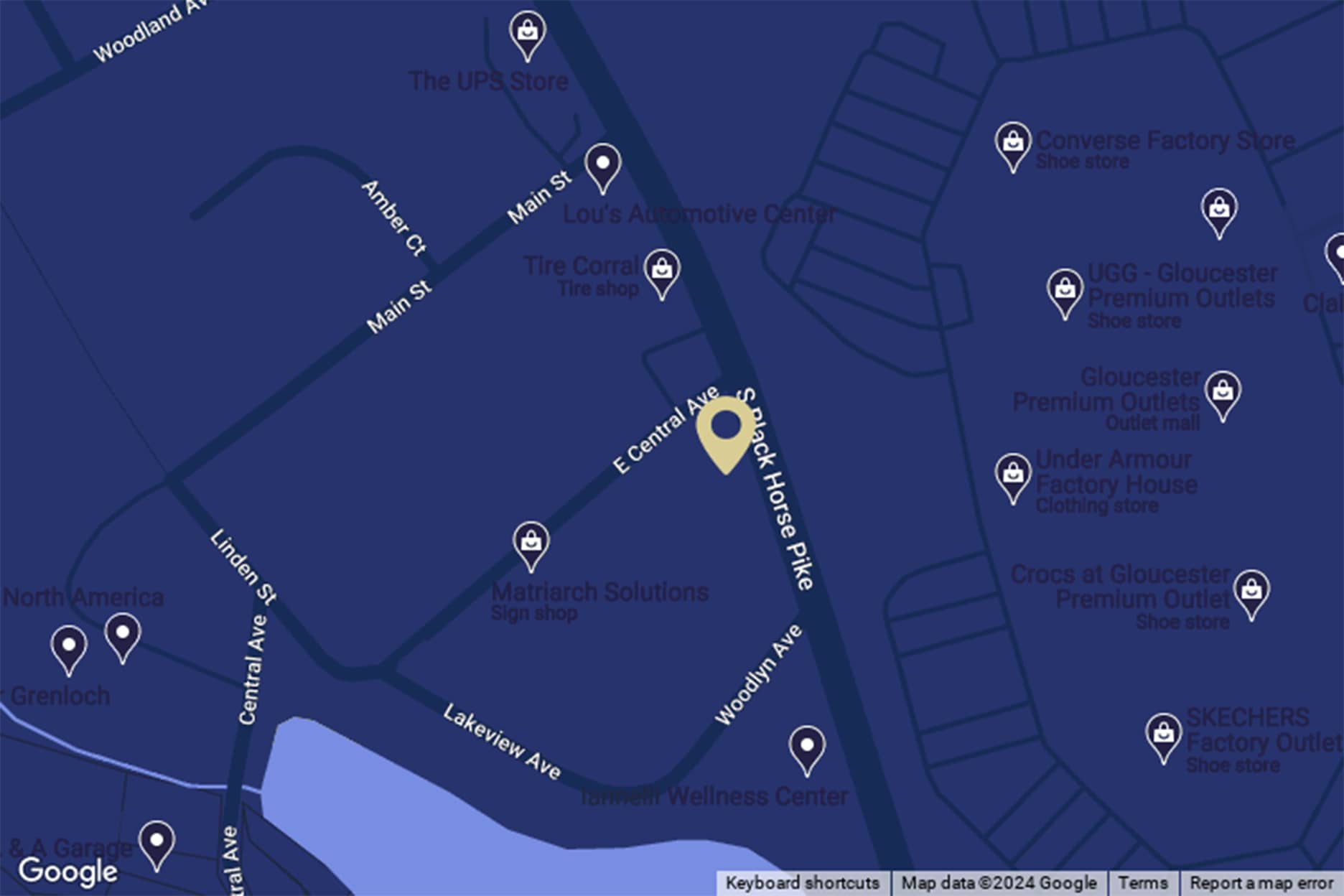
A DWI or DUI charge can have lasting consequences for your license, finances, employment, and personal reputation. The Camden County DWI/DUI lawyer at Iannelli Law understands New Jersey drunk driving statutes, municipal court procedures, breath testing requirements, and the defenses available to those accused. You can schedule a free initial consultation by messaging us online or by calling us today at 856-227-2434. Our office is in Blackwood, New Jersey, and we serve clients in the surrounding areas.
© 2026 Law Offices of John Iannelli
| View Our Disclaimer | Privacy Policy