Menu



Many drivers pulled over in Camden County assume refusing a breath test protects them from a DUI conviction. At Iannelli Law, a Blackwood DUI/DWI lawyer regularly corrects this misunderstanding, because New Jersey treats breath test refusal as its own separate offense with penalties that often match or exceed a standard DUI charge. Understanding implied consent before you are ever stopped can make the difference between a manageable case and a devastating one.
New Jersey operates under an “implied consent law.” Once a person accepts a driver's license and operates a vehicle on public roads, that person agrees in advance to submit breath samples if a police officer develops probable cause to suspect impaired driving. Before requesting a sample, the officer must read a standard statement explaining the consequences of refusal, a requirement confirmed in the New Jersey Attorney General's official guidance for law enforcement. If the officer skips this warning or reads it incorrectly, a refusal charge may be vulnerable to challenge.
Refusing a breath test does not prevent an arrest or a separate DUI charge. Instead, refusal becomes its own offense, carrying a mandatory license suspension, fines, mandatory attendance at an Intoxicated Driver Resource Center, and installation of an ignition interlock device. These penalties apply even if the underlying DUI charge is later reduced or dismissed, and the refusal conviction still appears on a driving record. Nationally, alcohol-impaired drivers remain involved in roughly 30% of all traffic fatalities, according to the National Highway Traffic Safety Administration, which explains why New Jersey enforces implied consent so strictly.
A refusal charge is not automatic once a driver declines a test. Prosecutors must prove the officer had probable cause, that the arrest was lawful, and that the standard statement was properly read and understood. A Blackwood DUI/DWI lawyer can examine police reports, dashcam footage, and the arresting officer's testimony to identify weaknesses in the State's case. Drivers who also received a related traffic ticket alongside their DUI stop should review our firm's traffic ticket defense services, since municipal court strategy often affects both charges together.
You can physically refuse, but New Jersey law treats refusal as a separate offense with its own mandatory penalties, so refusing does not avoid legal consequences.
No. Refusal is prosecuted under a distinct statute and can result in conviction even when the DUI charge is reduced or dismissed.
No. Implied consent applies specifically to breath testing after a lawful arrest, and declining field sobriety exercises does not trigger the same mandatory penalties.
Contact a defense lawyer promptly, avoid discussing the incident with police further, and gather any available documentation about the stop before your court date.
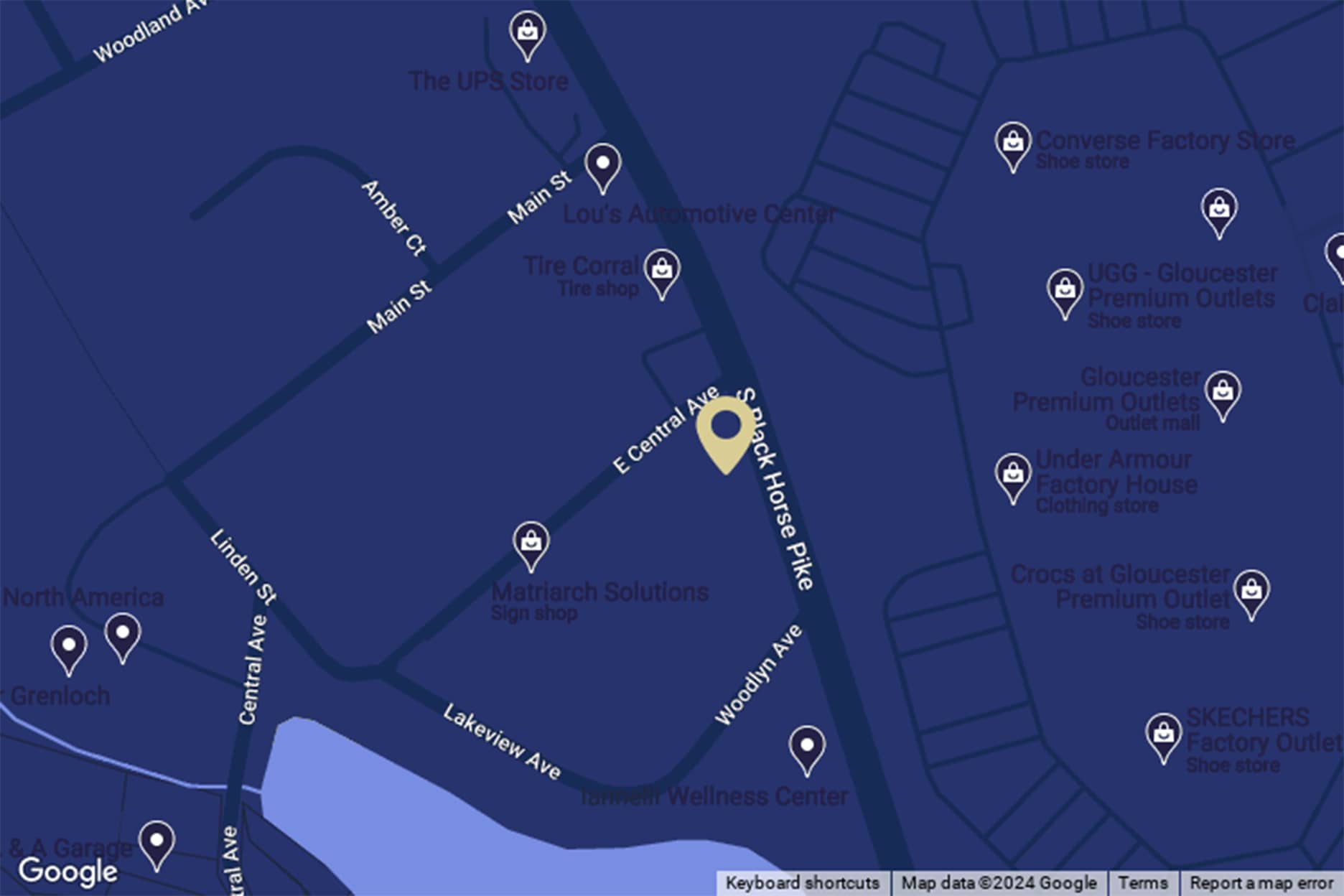
Facing a refusal charge in Camden or Gloucester County requires immediate legal guidance. A Blackwood DUI/DWI lawyer at Iannelli Law reviews the circumstances of every stop and fights to protect your driving privileges. To schedule a free consultation, call today at 856-227-2434 or complete our online form. Located in Blackwood, New Jersey, we proudly serve clients in the surrounding areas.
© 2026 Law Offices of John Iannelli
| View Our Disclaimer | Privacy Policy
 Share
Share